Poplar Culture Poplar Culture

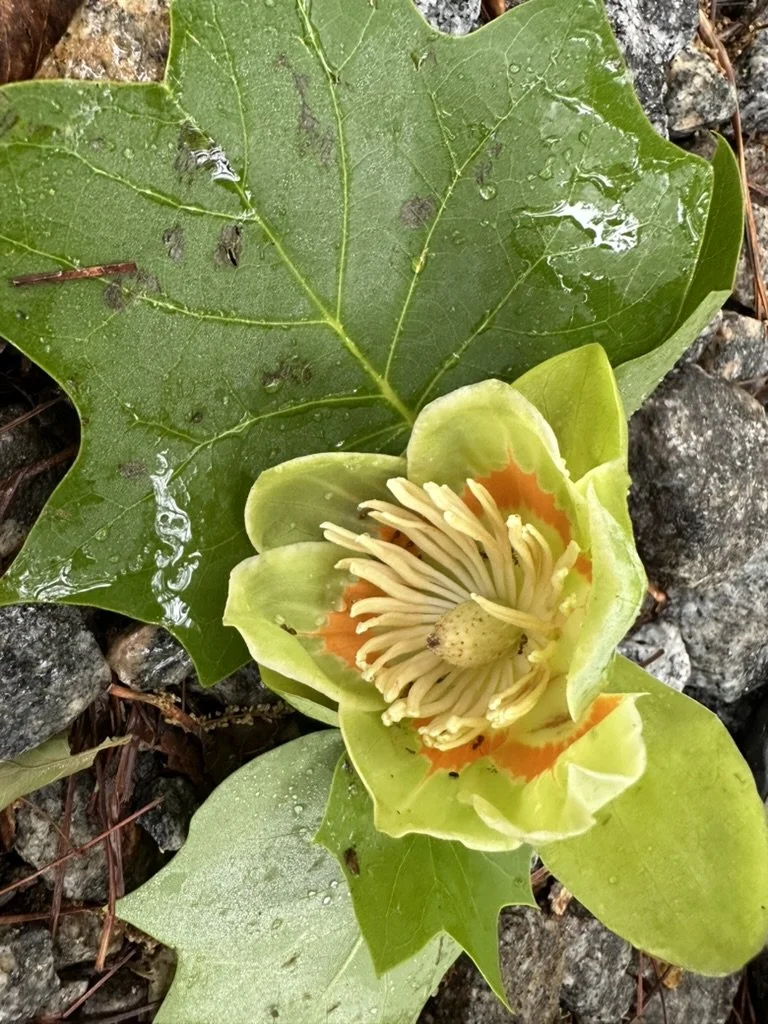
Tulip Poplar

The tulip poplar is not a poplar and even pre-dates bees. Daniel Boone carved a sixty-foot canoe from a single trunk to move his family and their belongings. The plant Poplar Culture is named for and a reminder of the hidden histories of plants.
Read More
Poplar Culture Poplar Culture

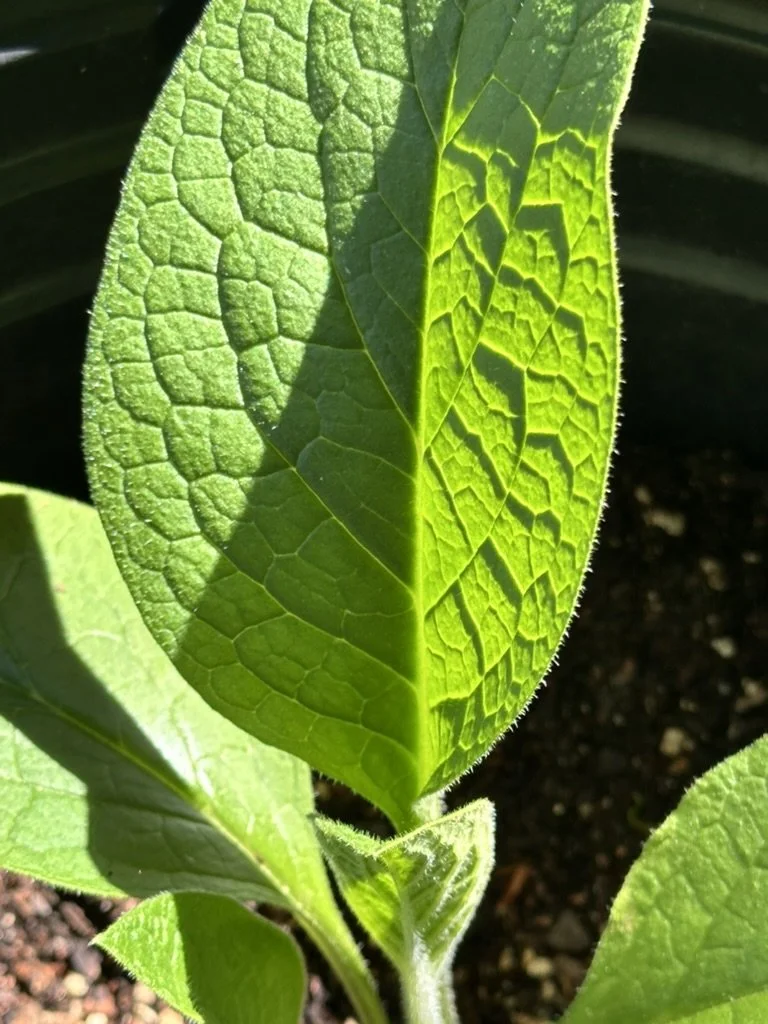
Comfrey

The genus name Symphytum comes from the Greek symphyein, “to grow together,” a reference to the ancient use of comfrey for knitting broken bones. Nicholas Culpeper called it a plant so powerful it could reunite dissevered pieces of flesh in a pot. The modern science partly agrees.

Read More
Poplar Culture Poplar Culture

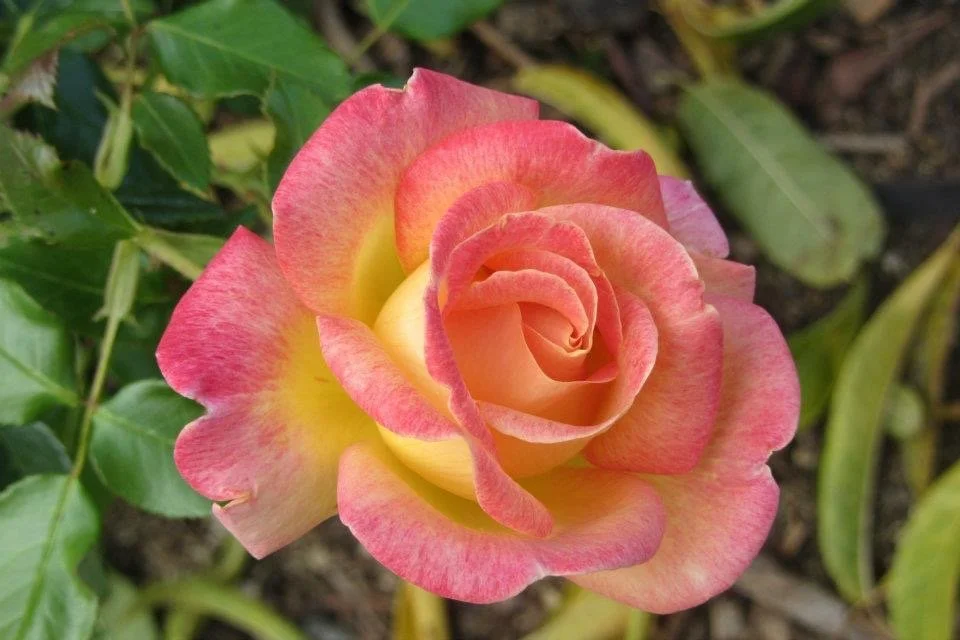
Rose

The most important garden in the history of the rose belonged to Empress Josephine Bonaparte. A plant, during a continental war, moved through a sealed border because an empress had asked for it. The record of this one flower is five thousand years deep.

Read More
Poplar Culture Poplar Culture

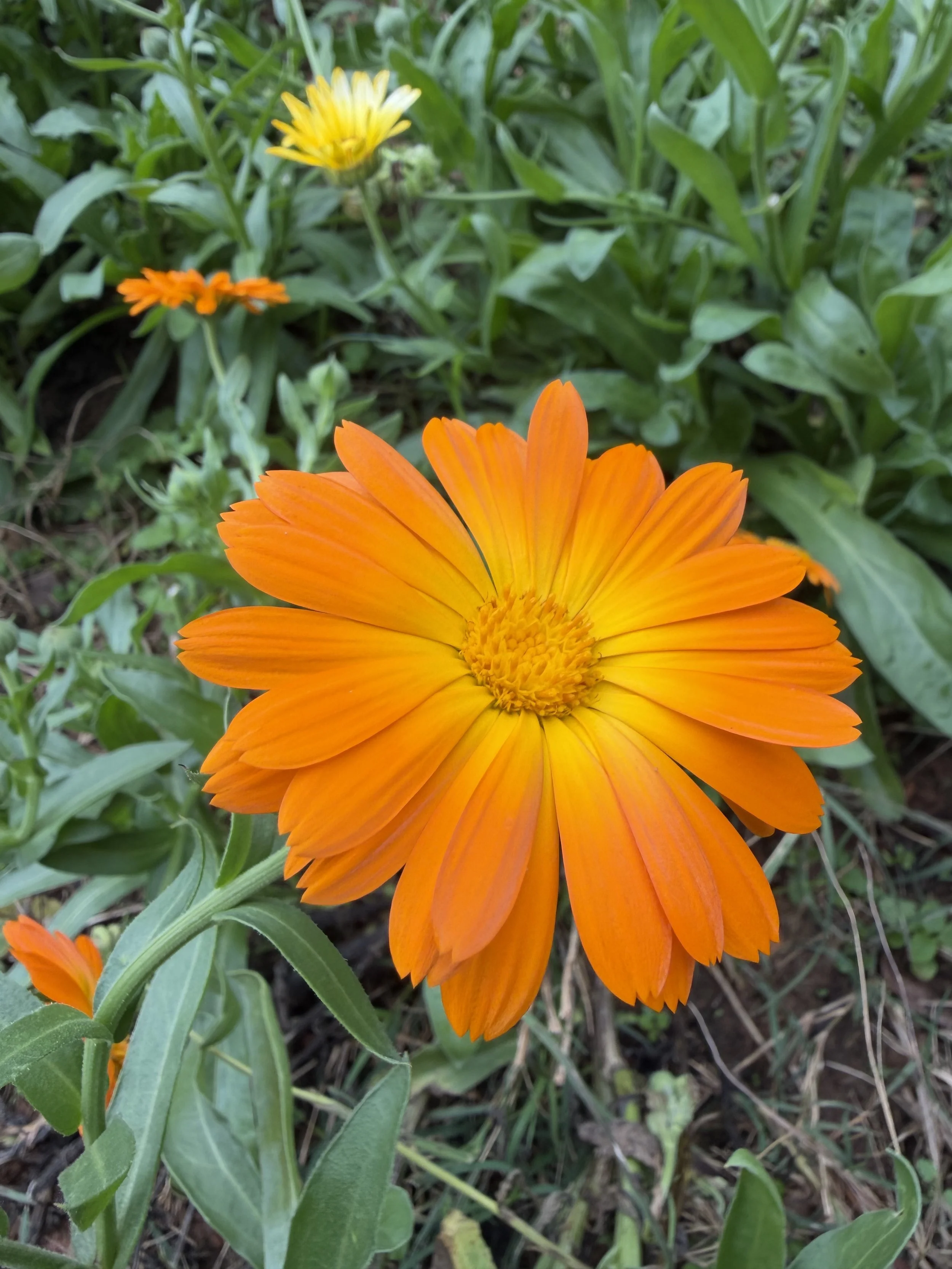
Calendula

Modern research has given calendula something unusual among herbal plants: a Phase III randomized clinical trial result. Shakespeare noticed its heliotropism four hundred years before botanists documented the mechanism. One flower, two parallel records.

Read More
Poplar Culture Poplar Culture

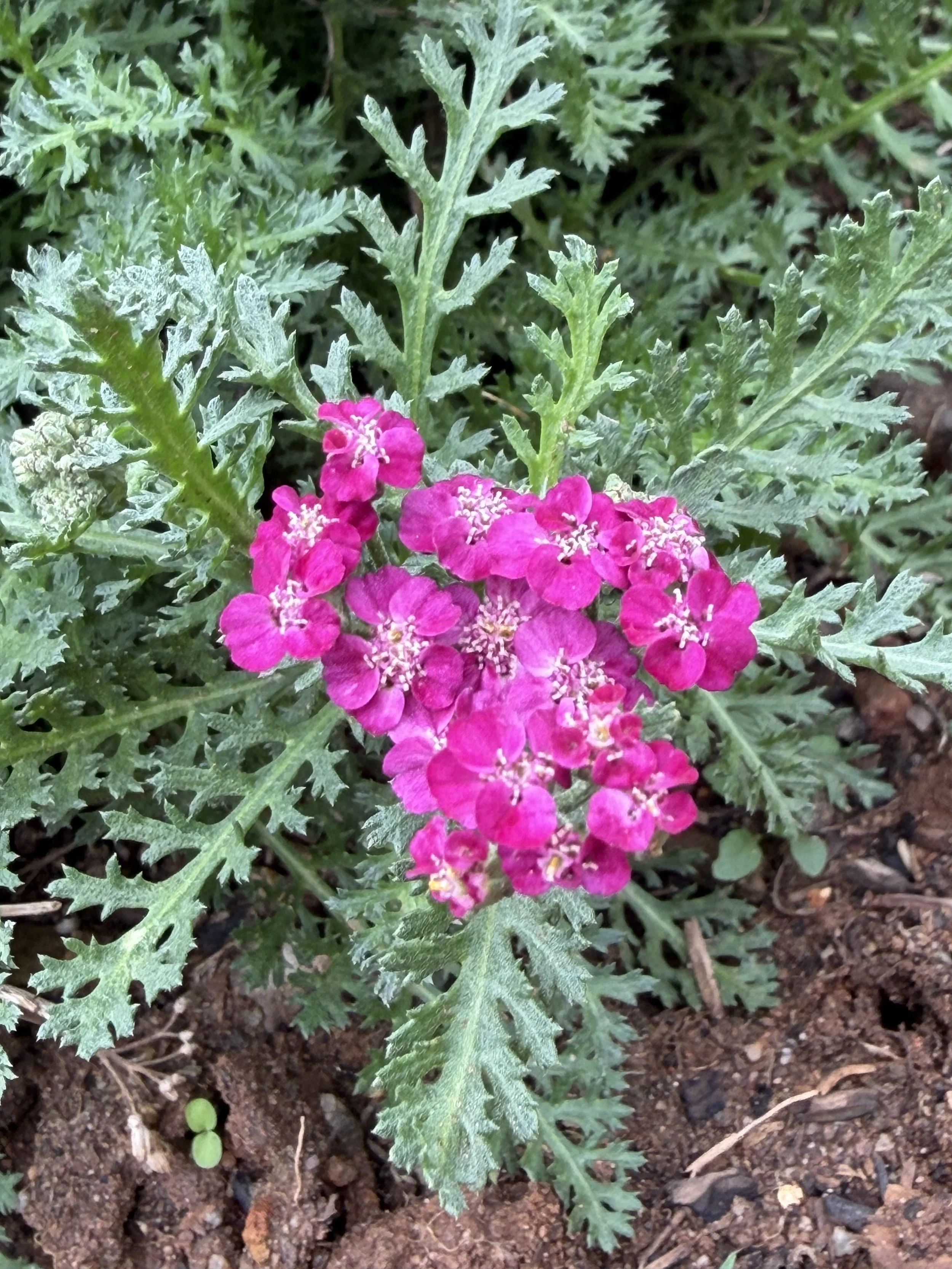
Yarrow

arrow carries the name of Achilles. The I Ching has been consulted with its stalks for three thousand years. The Cherokee used it as an anti-hemorrhagic long before Scots-Irish settlers absorbed it into Southern Appalachian practice. Three continents, one plant.

Read More
Poplar Culture Poplar Culture

Tulsi

Tulsi is perhaps the only plant on Earth that is itself an object of daily worship, in millions of households, for three thousand years. It appears in the oldest Ayurvedic texts and in modern clinical journals — and in a Poplar Culture face mask, bath soak, and our mocktail and cocktail recipes.

Read More