
 Image 1 of 1
Echinacea purpurea · purple coneflower
A native perennial with a long and well-documented reputation in North American herbal medicine. Cherokee practice recorded the root as a preparation for wounds, snake bites, and sore throats. Nineteenth-century Eclectic physicians formally entered it into their pharmacopoeia for respiratory conditions. Modern clinical research continues to study its effects on upper respiratory infections, with mixed but ongoing results.
Beyond its reputation, echinacea is one of the finest pollinator plants a Georgia garden can hold — tall purple-pink daisies that bloom from midsummer through fall, drawing bees, butterflies, and (in winter, if you leave the dried seed heads standing) goldfinches.
What you’re getting:
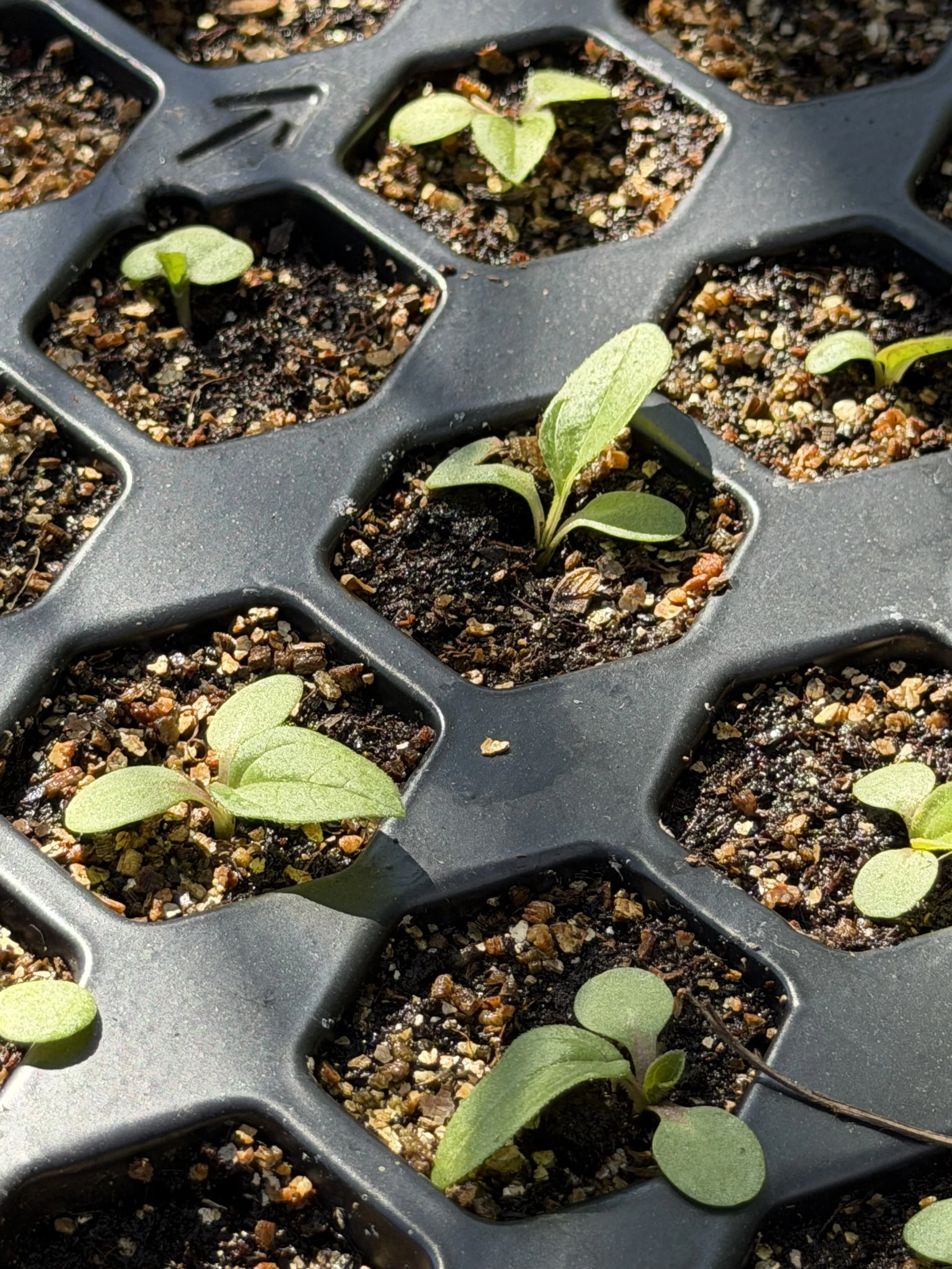
Rooted and established seedling, grown from seed on the farm
Roots wrapped in moist sphagnum, sealed in a small plastic bag for safe travel
Plant directly into garden soil or a 6+ inch container once it arrives
Growing conditions:
Light: full sun — 6+ hours of direct light daily
Water: moderate; drought-tolerant once established
Hardiness: Zone 3–8 (fully perennial in Georgia; returns year after year)
Mature size: 2–3 feet tall, 18 inches wide
Bloom time: midsummer through early fall
Attracts: bees, bumblebees, butterflies, and goldfinches (which feed on the seed heads in winter if you leave them standing)
A note on patience:
Echinacea planted this year typically produces modest blooms the first season and reaches full bloom in year two. The wait is worth it — once established, this plant returns for a decade or more and spreads gently through self-sowing.
A note on use:
The root has been documented in topical and internal herbal preparations for centuries. Research on dosage and effect is ongoing. For gardeners, the plant’s greatest contribution is often above ground — as a magnet for native pollinators and a bright presence in the late-summer garden.
Shipping:
Ships nationwide via USPS Priority Mail (1–3 days). Best to ship during cool-weather months (October–May) to minimize stress. Summer shipping available on request.